
No advertising anywhere
The shed, the part you cannot find, and the winter in between
A restoration is not one long job. It is a few hundred small decisions, most of them made alone, most of them reversible only at a cost. This site is about the decisions rather than the welding.
Updated 19 October 2026 · Editorial team Ovaon
Published guides4 published guides
Originality
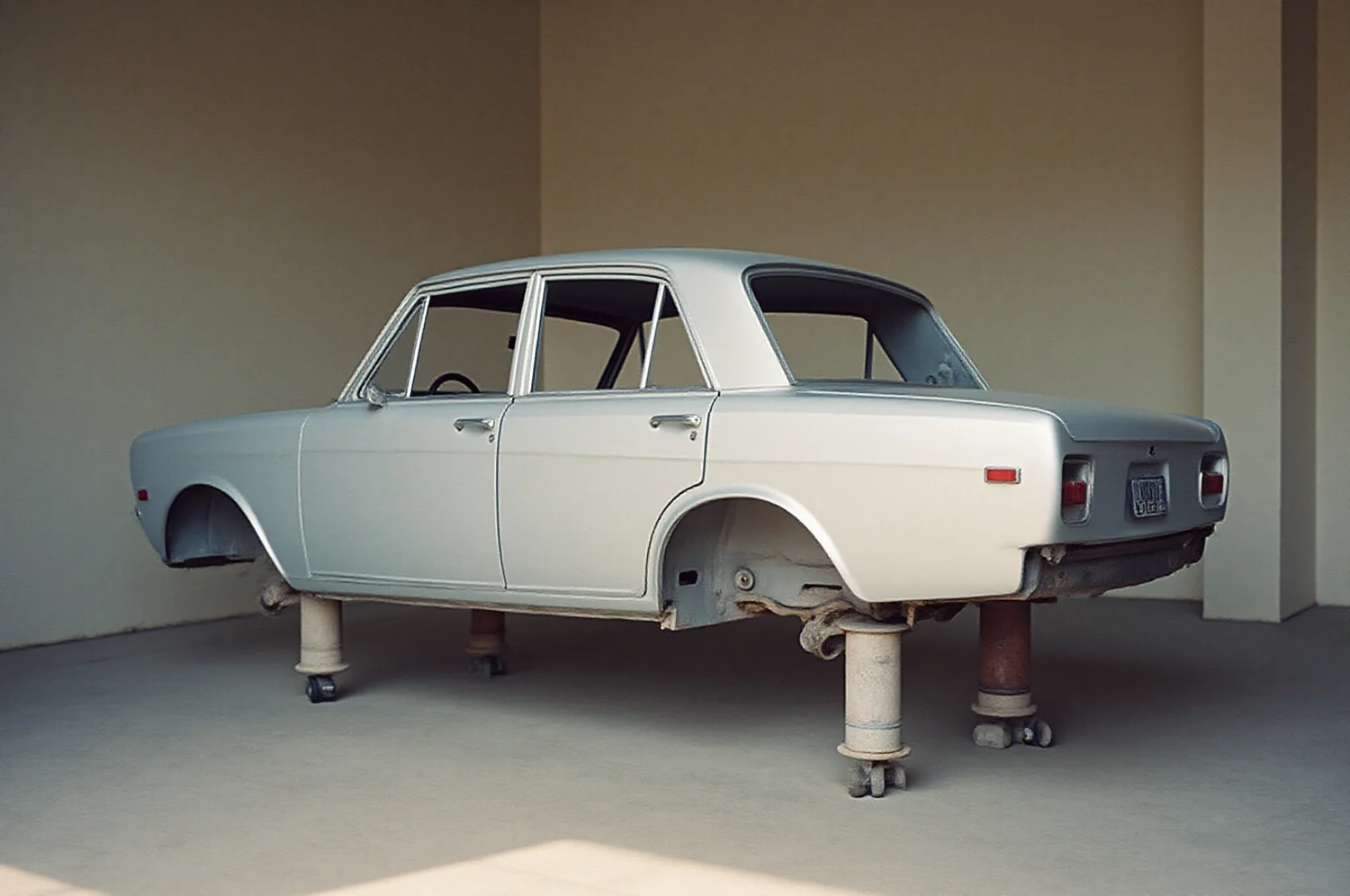
What original actually means, and why people mean four things by it
Unrestored, correct, period and factory-fitted are four different claims. What each one means in practice and how re-manufactured parts sit against them.
Sourcing
Finding parts when nothing is listed anywhere
Identifying a part properly, working breakers and club registers, when remanufacture is worth it, and how to adapt something from another vehicle safely.
Storage
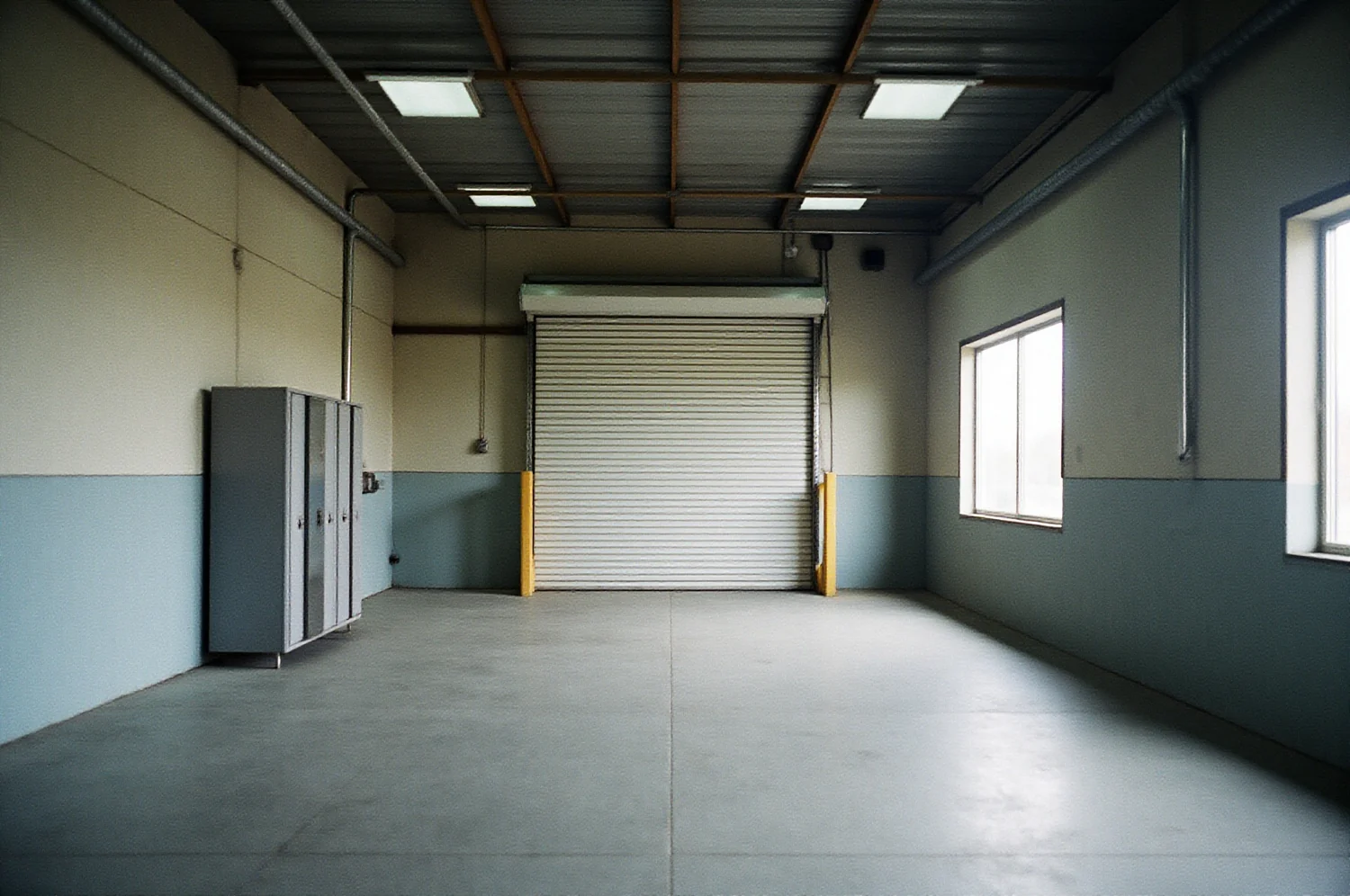
Storing a car through an Irish winter, where the problem is damp
Why ventilation beats sealing in a mild wet climate, what to do about the floor, and how fuel, battery and tyres behave over an Irish winter.
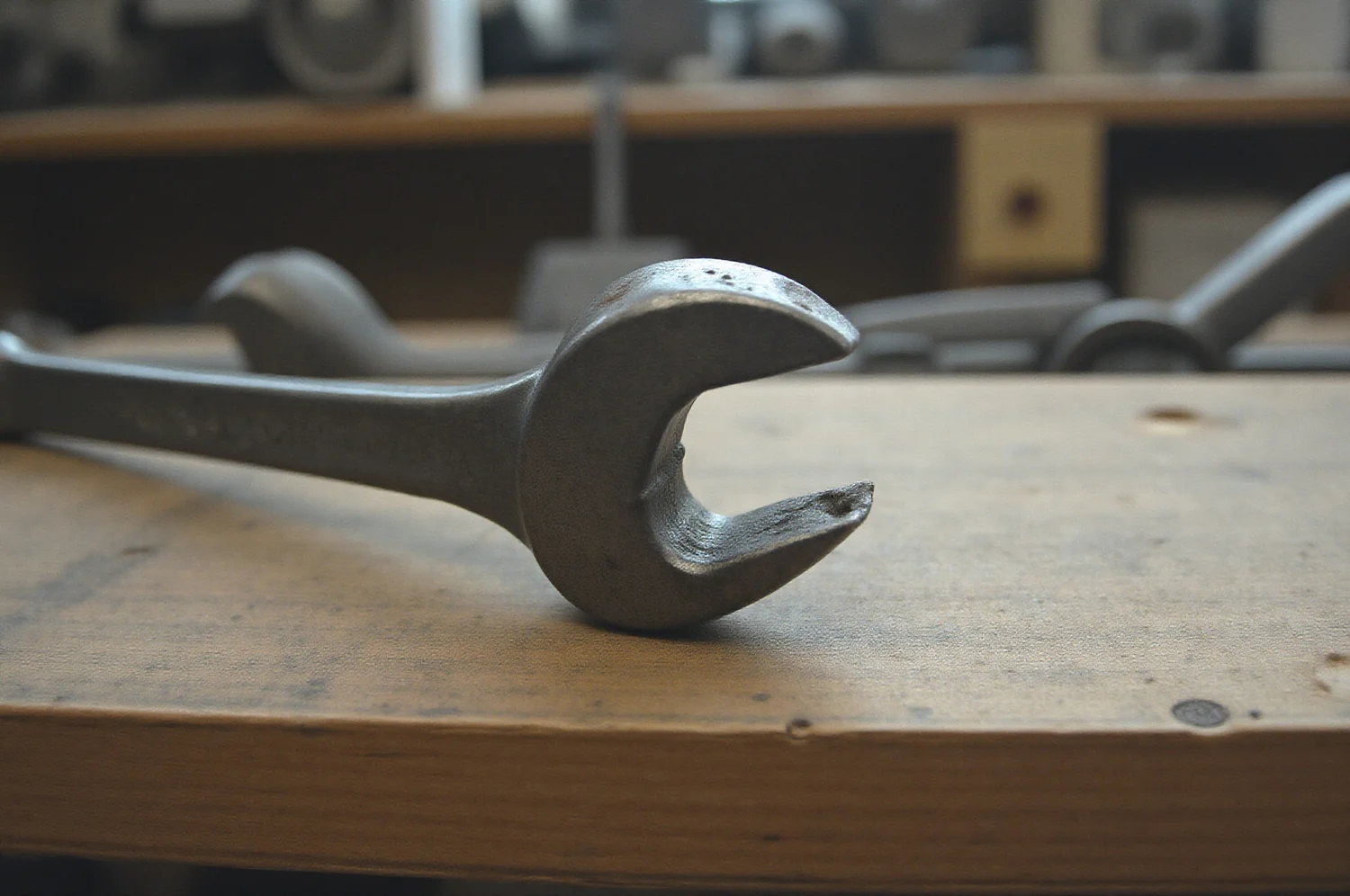
Cost
Doing the work yourself against paying somebody to do it
Which jobs are genuinely a home job, which are not, and how the cost of tools compares with paid labour once time is counted honestly.
Sessions on a project
If it would help to go through the photographs with somebody who has stalled a car of their own and worked out why, sessions are booked direct.
- A stalled project, looked at€80
- Where to draw the line€125
- A year planned out€195
Three things that catch people out
Original is four different words
Unrestored, correct, period and factory-fitted all get called original, and they do not mean the same thing. Most disagreements about a car are really about which one was meant.
Damp does the damage here, not frost
An Irish winter rarely gets cold enough to matter. It stays wet for months, and a sealed shed with a car in it is a very effective condensation trap.
Tools are cheaper than labour, once
A tool is bought once and a job is paid for every time. That arithmetic works until the job is one where practice, not equipment, is what you are actually buying.
What this site is
An independent guide to the practical side of keeping and restoring an old car in Ireland: what the words mean, where parts come from when no catalogue lists them, how a car survives a wet winter, and which work is sensibly done at home.
It is not a manual for any particular model. Model-specific detail belongs to the people who own that model, and the one-make registers do it better than a general site ever could.
Nobody pays for a mention here. Nothing is for sale except the advisory sessions described on the services page.
Who it is written for
Owners who have a car sitting under a cover and a vague plan, and owners part-way through something that has stopped moving.
No trade background is assumed. Where a term is specific to the hobby it gets explained the first time it appears, and where practice differs between people the text says so rather than picking a side.
The reader we have in mind is doing this for pleasure, in evenings and at weekends, with a limited amount of covered space.
What is deliberately absent
No valuations. We do not price cars, parts or projects, and we do not tell anybody what their car is worth.
No repair quotations of any kind, and no judgement on work someone else has done.
Where a question is really about roadworthiness, insurance or a specific weld, the text says so and points at the right kind of person instead of guessing.
Why the words matter before the tools do
Almost every argument about an old car comes back to a word that was never defined. Original, correct, sympathetic, restored: all of them carry a meaning the speaker assumes is shared.
The cost of that vagueness is real. People strip a car that would have been worth leaving alone, or spend a winter chasing a fastener nobody can tell apart from the one already fitted.
Deciding early what you mean saves more money than any single purchase you will make.
Where parts actually come from
Very little of what an old car needs is on a shelf. Some of it exists in breakers' yards, some in the sheds of people who kept a spare, some only as a drawing in a club register.
The rest gets made, adapted or repaired. That is not a failure of the hobby; it is how the hobby has always worked, and it is why the people who have done it are worth knowing.
The skill being described is patience and record-keeping rather than mechanical talent.
A shed is a climate, not a room
A car parked indoors in Ireland is not automatically a car being looked after. Air comes in wet, the concrete gives up moisture for months, and a cover on a cold shell collects the difference.
The fixes are cheap and mostly involve air moving rather than air being kept out. They are also the single most neglected part of owning a car that is not driven all year.
Six months of standing badly undoes a lot of careful work.
Standing rules for these pages
- Where owners and clubs do a job two ways, the text records both instead of dressing one habit up as the rule.
- Costs appear as ranges with the day they were checked, and never as a quotation for anybody's car.
- No supplier, workshop, breaker or product is put forward by name.
- Anything to do with welding, brakes, steering or fuel states plainly where the limit of shed work sits.
- A correction goes at the foot of the guide with the date on it; nothing is quietly rewritten.
General guidance only. Roadworthiness, structural repair and questions of cover belong with a qualified person looking at the car in front of them.