
Storage
Storing a car through an Irish winter, where the problem is damp
Advice written for cold climates does not transfer here. Our winter is mild, long and wet, and almost everything that goes wrong in a shed between October and March is a moisture problem.
Published 20 July 2026 · Updated 19 October 2026
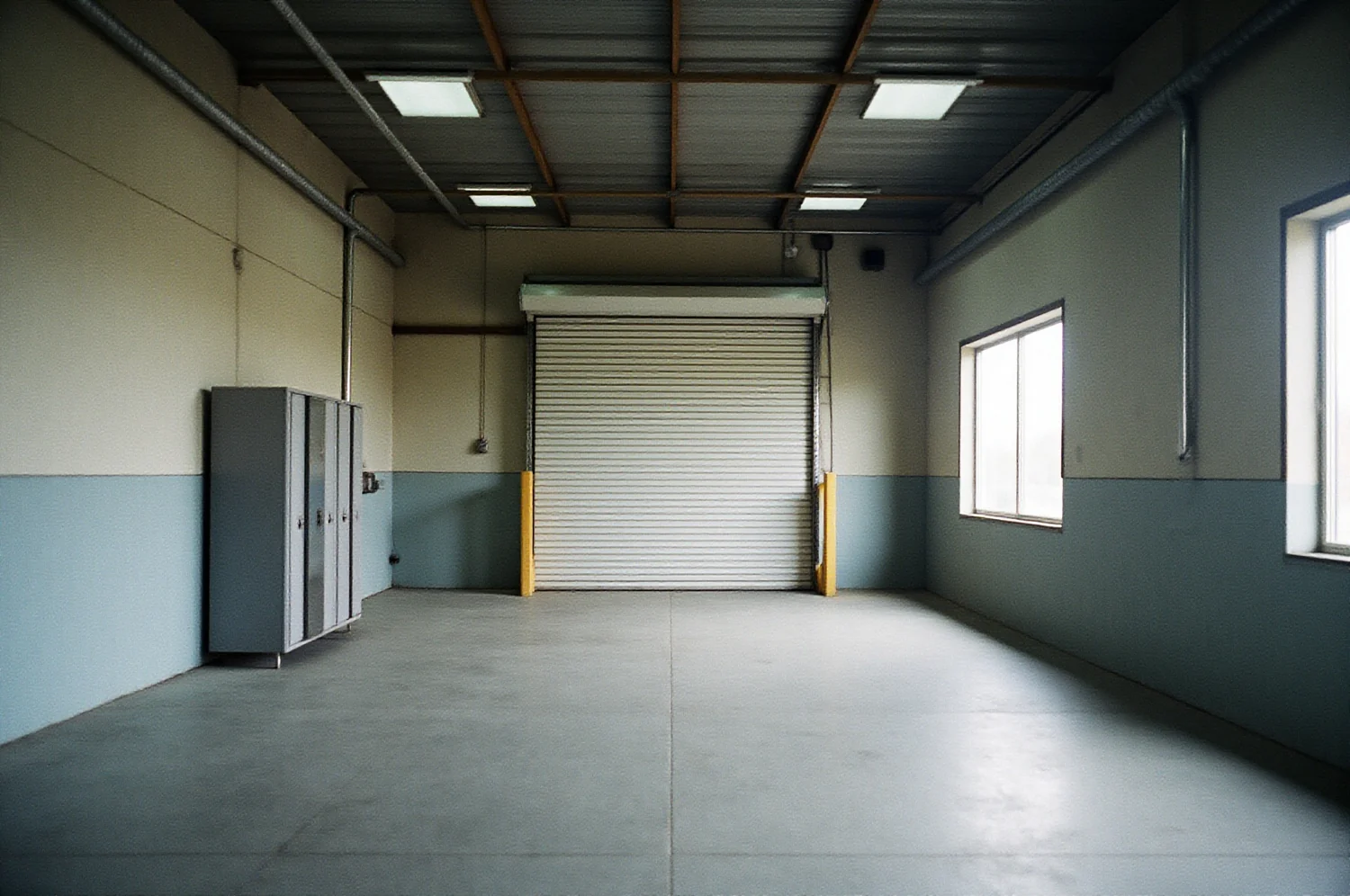
The problem is damp, not cold
Frost damage is rare here and easy to prevent. What is not rare is months of air at high humidity moving through an unheated building, condensing on cold metal every time the temperature swings.
That condensation lands on the underside of a bonnet, inside a sill, on brake discs and on the inside of glass. It is the reason a car can come out of storage worse than it went in.
Everything below is aimed at one thing: keeping metal above the point where water forms on it, and keeping air moving so that what does form goes away.
Ventilation beats sealing
The instinct is to wrap and seal. In a mild damp climate that is usually wrong, because a sealed space with a car in it still contains moisture and now has nowhere to put it.
Air movement is cheap. A vent high and a vent low, or simply a small fan left running, does more than an expensive cover. Where a dehumidifier is used it needs the space to be reasonably closed and the drain to be dealt with, or it becomes an ornament by December.
Covers are useful outdoors and often harmful indoors. A non-breathable cover on a cold shell traps a film of water against the paint for months.

The floor is doing more than you think
Bare concrete gives up moisture continuously, especially a floor without a membrane under it, which describes a great many older sheds.
A sheet of plastic under the car, or boards, or a sealed floor, cuts a surprising amount of what reaches the underside. It costs very little and it is the single change most owners notice.
Leave space around the car. A vehicle pushed tight against a wall has a face that never dries.
Fuel over a wet winter
Modern petrol does not keep well and the ethanol content draws water. Over five or six months it can separate, gum up carburettor jets and attack older rubber that was never specified for it.
The common approaches are a nearly full tank with a stabiliser added and the engine run afterwards so treated fuel reaches the carburettor, or a deliberately near-empty tank for cars where the tank interior is known to be sound. A half-full steel tank is the worst of both, because the empty half sweats.
Whichever you choose, know what your fuel system is made of. Cars that have been through a rubber and hose renewal are in a different position from ones that have not.
Batteries
A battery left connected in a cold shed will be flat by February on almost any car, and a flat lead-acid battery deteriorates quickly. Sulphation from months at low charge is what actually kills them.
Either disconnect and remove it to somewhere dry and reasonably warm, or leave a maintenance charger on it. A charger that is a proper maintainer, not a plain trickle charger left running, is the version that does not cause problems.
If you disconnect, know what the car forgets: on later cars a clock and a radio code, on earlier ones nothing at all.
Tyres and the standing car
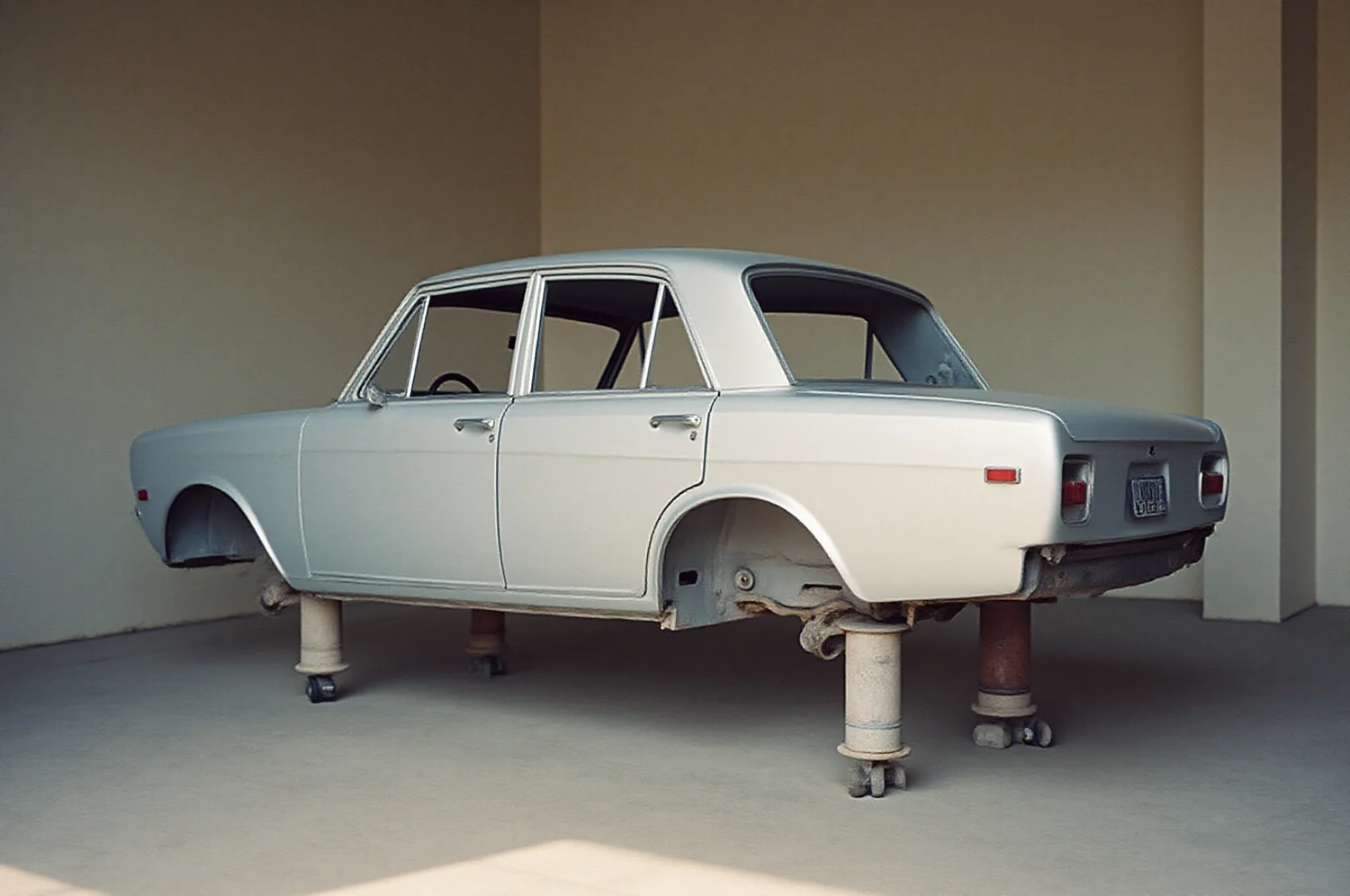
Tyres take a set when a car sits for months, and old tyres take it permanently. Over-inflating slightly for storage and moving the car occasionally both help; taking the weight off entirely, on axle stands at the right points, helps most.
Handbrakes seize onto drums and discs, particularly in damp. The usual practice is to leave it off with the car chocked, which is safe on a level floor and worth thinking about on one that is not.
Brake discs go orange within days and mostly clean off in use. What matters more is fluid, which absorbs water and does so faster in a damp building than the interval on a garage's schedule assumes.
Running it, or leaving it alone
Starting a car for ten minutes once a month is worse than leaving it. It never reaches temperature, so combustion water condenses in the exhaust and the oil, and the battery does not recover what starting cost it.
Either drive it properly for half an hour on a dry day, which is the better option and pleasant besides, or leave it sitting and prepare it accordingly.
Waking it in spring is a short list: fluid levels, brakes checked before the first real stop, tyre pressures back to normal, and a look for anything that made a home in it over the winter.
General guidance only. Roadworthiness, structural repair and questions of cover belong with a qualified person looking at the car in front of them.