
Cost
Doing the work yourself against paying somebody to do it
The honest version of this question is not about ability. It is about which jobs reward practice, which punish it, and what a tool costs against what an hour of somebody else's time costs.
Published 8 September 2026 · Updated 19 October 2026
What is genuinely a home job
Stripping, cleaning, cataloguing and reassembly. This is the bulk of a restoration by hours and the part that costs most to buy in, because it is slow rather than skilled.
Servicing, ignition, carburettor work on simple systems, trim removal, interior work, wiring on older looms where the circuits are few and visible, and most bolt-off suspension work with the right stands.
It is also the part that teaches you the car. An owner who took it apart knows where the noise comes from three years later, and that knowledge is not purchasable.
What is not, and why
Structural welding. Sills, floors, chassis rails and anything a jack or a seat belt loads are not a place to learn, and a bad repair is hidden by the time it matters.
Brake and fuel line manufacture, steering components, and anything where a failure is sudden rather than gradual. The test is what happens at the moment it goes wrong, not how difficult it looks.
Paint, for a different reason. It is not dangerous, it is simply a trade where the gap between a good result and a poor one is enormous and entirely down to practice and a booth.
Tools against labour, done honestly
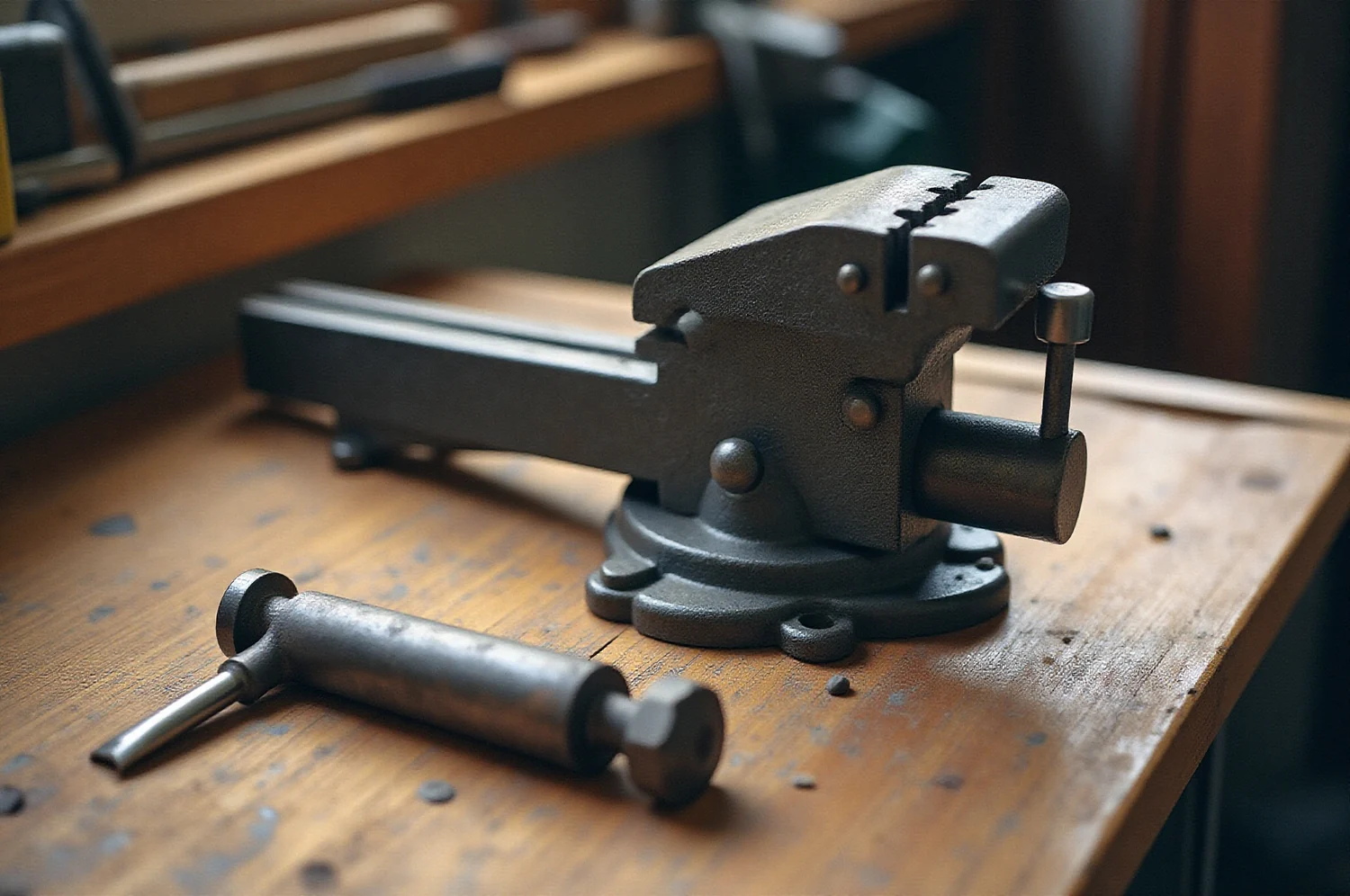
A tool is bought once and used for the rest of your life, which is the argument for buying. Against it: a tool used once is expensive storage, and hire exists for exactly that case.
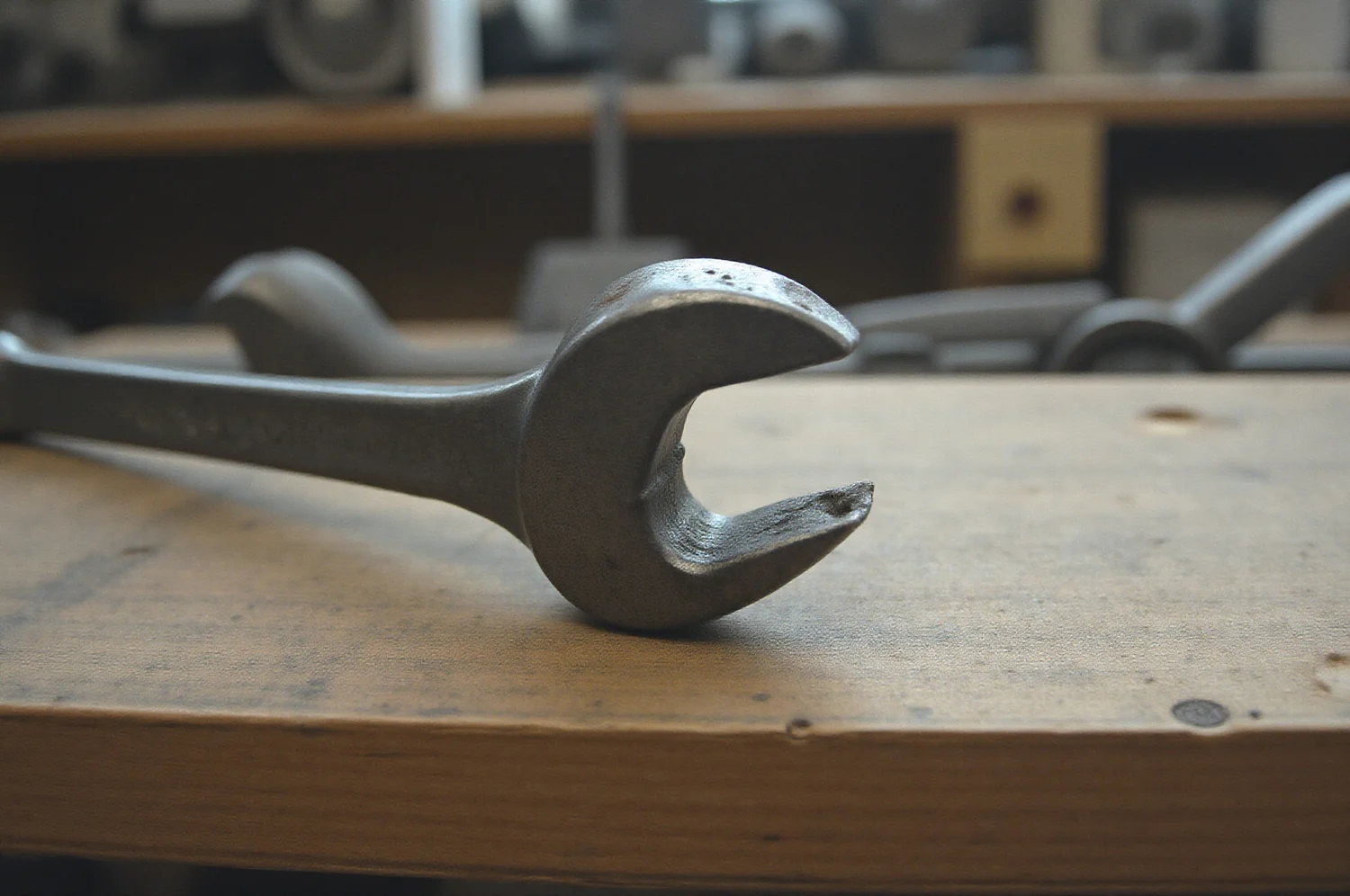
The rough test is whether the job will recur. Stands, a decent trolley jack, torque wrench, basic diagnostic gear and good spanners repay themselves within one restoration. A press, a bead blaster or a welder repays itself only if you will genuinely use it after this car.
Ireland has a real hire market for the heavy items and clubs frequently have shared equipment. Both are worth exhausting before buying something that will live under a bench.
The cost nobody adds up
Time is the largest input in any home restoration and the one people leave out of the sum. A job that a workshop bills at three hours takes an amateur a weekend, and that is normal rather than a reflection on anybody.
That is fine when the time is the point. It is not fine when the car is needed for something, or when a project has stalled for three years and the shed is doing more damage than the work is repairing.
The useful question is whether you want a finished car or a project. Both are legitimate; they are just different hobbies, and paying for work is how the first one happens.
Dealing with a workshop
Go in with a defined job rather than the car and a hope. A brief that says what is to be done, what is not to be touched, and what happens if something is found underneath, prevents almost every dispute.
Ask how the work is charged, whether an estimate is a fixed price, and how they want to handle the moment when a floor turns out to be worse than it looked. That conversation is much easier before the car is on the ramp.
Photographs at the start, and agreement that the old parts come back to you. Both are ordinary requests and a reasonable place declines neither.
Half-done is the expensive state
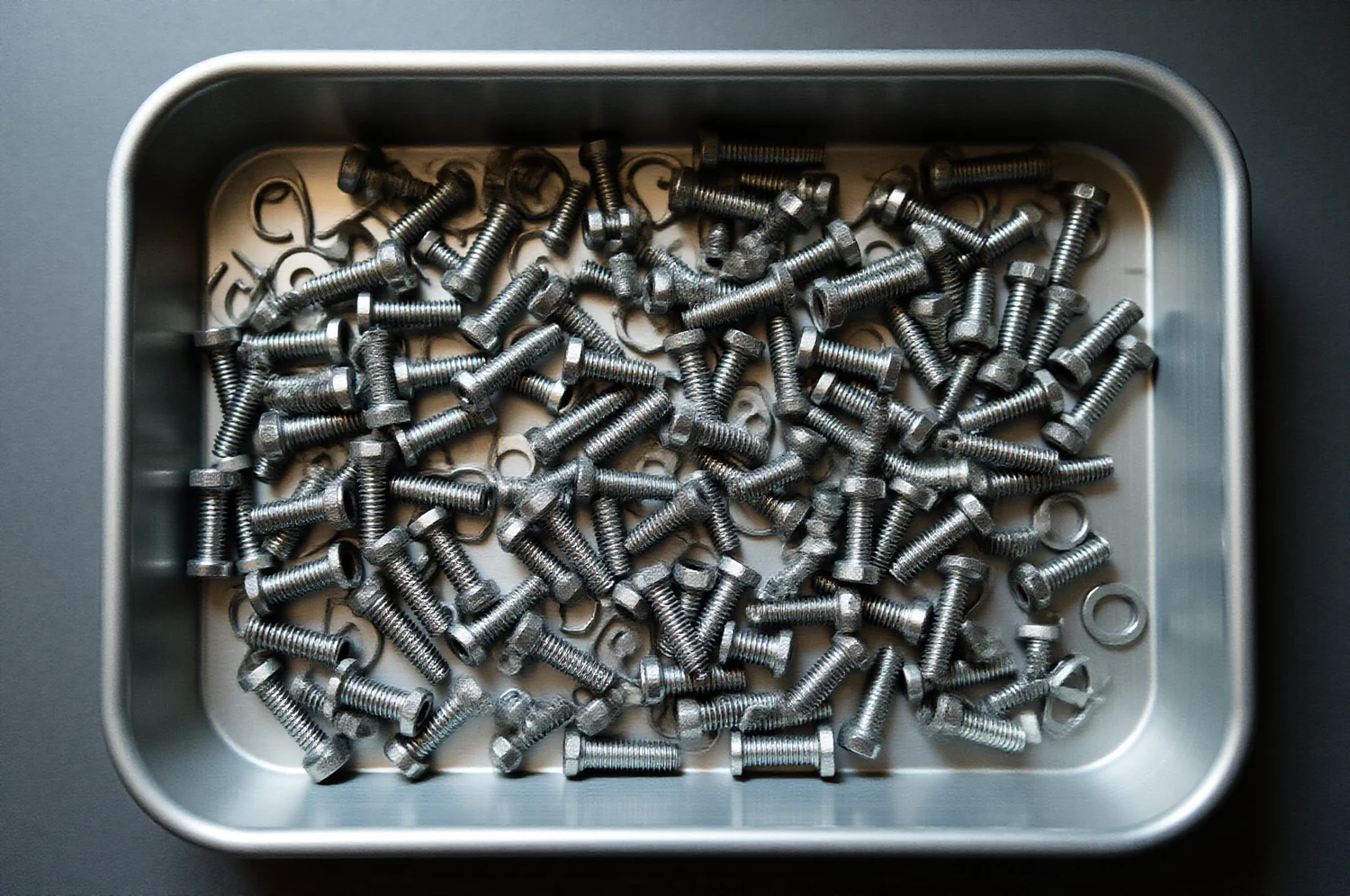
A stripped car that stops moving is the worst outcome of all, and it is far more common than a bad repair. Bare metal in a damp shed loses ground every month, and a box of unlabelled fasteners becomes an archaeological problem.
If a project has stalled, the cheapest intervention is usually to buy in the one job that is blocking it rather than to wait until enthusiasm returns.
Failing that, put it back to a state that stores: primed, assembled enough to be moved, labelled, and dry.
Where the line ends up
Most owners settle in the same place. They do the labour and buy in the specialisms: welding, paint, machining, upholstery, and anything they will not personally sign off on.
The split is not fixed. It moves as you learn, and it moves back when work gets busy, which is fine.
The one rule worth keeping is that the line is drawn on consequences rather than on pride. Nobody has ever regretted paying for a sill.
General guidance only. Roadworthiness, structural repair and questions of cover belong with a qualified person looking at the car in front of them.