
Sourcing
Finding parts when nothing is listed anywhere
For most older cars there is no catalogue with your part in it. What exists instead is a network of yards, registers and people who kept a spare, and a set of habits for working it.
Published 2 June 2026 · Updated 19 October 2026
Identify it properly before you look
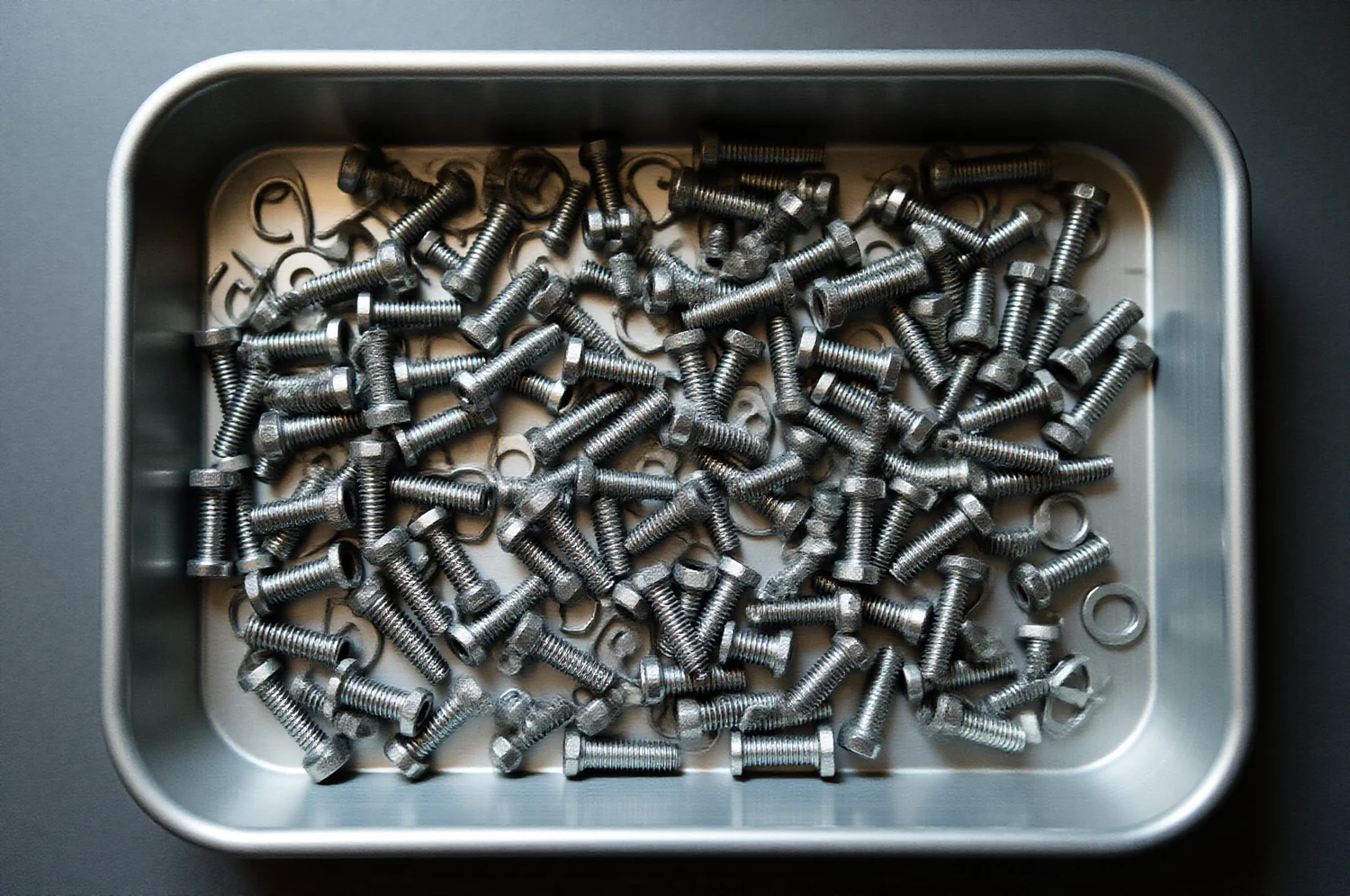
Half of all failed searches are really identification failures. A part has a casting number, a shape, a period of use, and often a name that differs from the one the owner is using.
Photograph it from several angles with a rule in the frame, note any numbers cast or stamped into it, and measure the things that matter: thread, spigot, centre distance, thickness.
That description is what you send to people. A request that says the model and the year and nothing else is asking somebody else to do the identification for you, and most will not.
Breakers, and what is actually left in a yard
Yards holding genuinely old stock are fewer every year and rarely have an online listing worth searching. The stock that remains is often shelved rather than in a car, and only the person who shelved it knows what is there.
That means a phone call and a precise description beats any amount of searching. Ask what they have of that family rather than that exact model; a great deal is shared across a maker's range and across years.
Go and look when you can. Standing in front of a shelf finds parts that no conversation ever would.
Club registers and the people in them
One-make registers are the single most useful resource for an unlisted part, and they work by reciprocity rather than by transaction. Somebody has the drawing, somebody had a batch made, somebody knows which later model shares the casting.
Join before you need something. A request from a name people recognise is answered differently from one that arrives cold, and that is not gatekeeping — it is simply how small groups work.
Registers also keep the informal record of what fits what, which is knowledge that exists almost nowhere else.
Having something made
Small-run remanufacture is more available than most owners assume. Rubber mouldings, gaskets, brackets, simple castings and machined shafts are all made regularly for people who organise a batch.
A batch changes the economics completely. Ten of something costs far less each than one, which is why register-organised runs exist and why it is worth asking whether one is already planned before commissioning your own.
For a single item, repair and machining usually beat manufacture. A worn shaft can be sleeved; a cracked bracket can be rebuilt.
Adapting something from another vehicle
Substitution is an old and respectable practice, and it is how many cars stayed on the road for decades. Bearings, seals, filters, bulbs and fasteners are frequently standard items with a proprietary part number on the box.
The discipline is to substitute on specification rather than on appearance. Dimensions, material, rating and duty all have to match, and something that fits is not the same as something that is right.
There is a firm line at brakes, steering and fuel. Adapting anything on those systems is not a matter of ingenuity, and it belongs with someone qualified to sign off what results.
Before money moves
Ask for photographs of the actual item, not a stock image or a picture of a different one. Ask what it came off and whether it was working when removed.
For anything expensive, agree in writing what happens if it is wrong. Distance selling and private sales are different in law, and a private sale between two enthusiasts often has very little recourse in it.
Pay by a traceable method. This is dull advice and it is the advice most often ignored by people who then have nothing to show.
Keeping a want list that works
Keep one list, with the identification detail already written up, and carry it. Parts turn up at autojumbles and in conversations, not on a schedule.
Note what you would pay and what condition you would accept, so the decision is already made when something appears at nine on a wet morning.
And keep a second list of what you have spare. The register works because people answer each other, and being useful is how a request gets answered quickly.
General guidance only. Roadworthiness, structural repair and questions of cover belong with a qualified person looking at the car in front of them.