
Section
Restoration and shed culture, in the order it happens
Four guides on the parts of the job nobody photographs: deciding what you are actually restoring, sourcing what is no longer made, keeping a car through a wet winter, and working out what to do yourself.

Guides in this section4 published guides

Originality
What original actually means, and why people mean four things by it
Unrestored, correct, period and factory-fitted are four different claims. What each one means in practice and how re-manufactured parts sit against them.
Sourcing
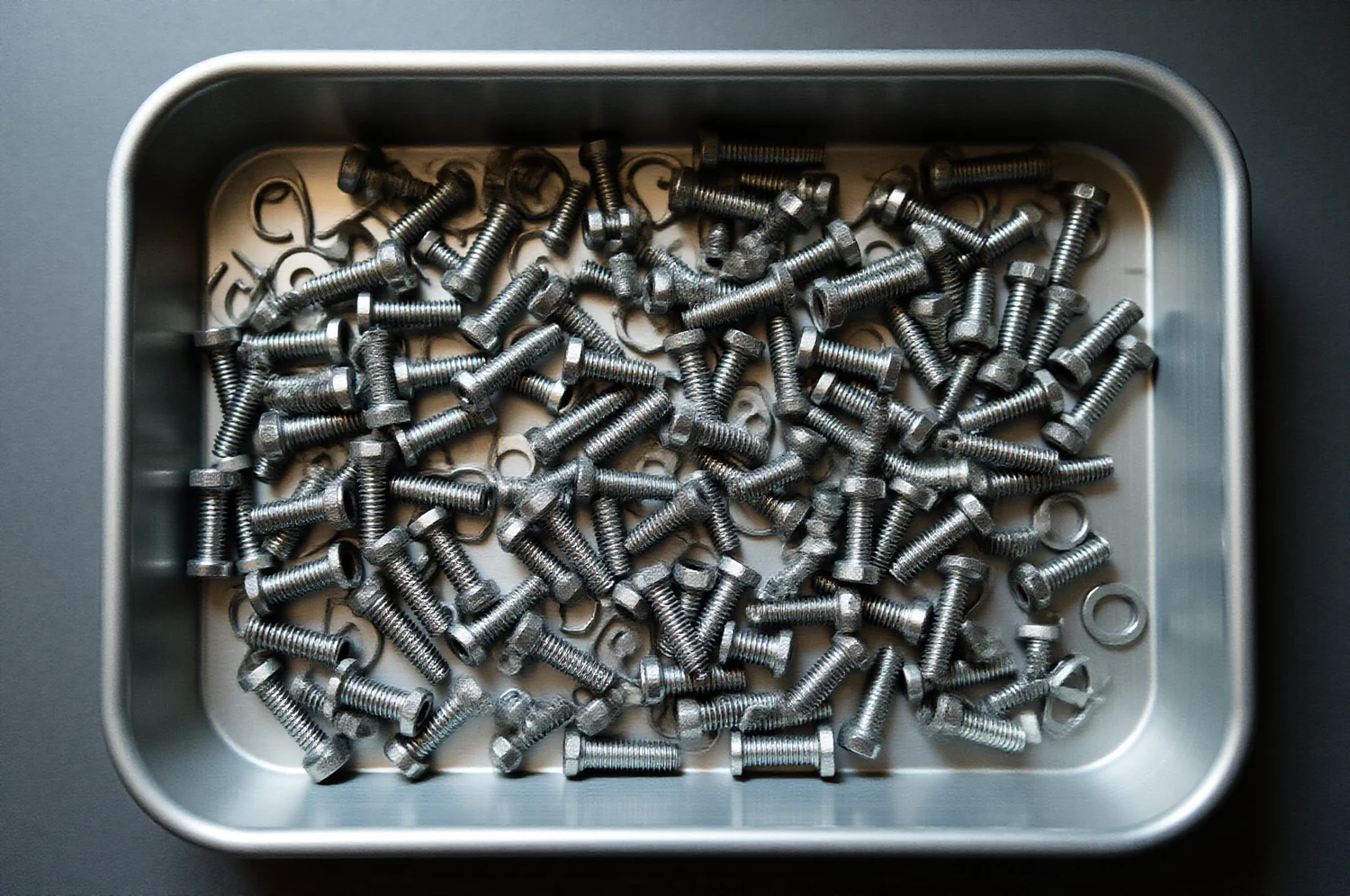
Finding parts when nothing is listed anywhere
Identifying a part properly, working breakers and club registers, when remanufacture is worth it, and how to adapt something from another vehicle safely.

Storage
Storing a car through an Irish winter, where the problem is damp
Why ventilation beats sealing in a mild wet climate, what to do about the floor, and how fuel, battery and tyres behave over an Irish winter.

Cost
Doing the work yourself against paying somebody to do it
Which jobs are genuinely a home job, which are not, and how the cost of tools compares with paid labour once time is counted honestly.
How the four guides fit together
They follow the order the decisions arrive in. What you are aiming at comes first, because it decides what counts as an acceptable part. Sourcing follows, then the winter that interrupts everything, then the question of who does the work.
Each guide stands on its own, so a point that matters in two places is made in both rather than cross-referenced away.
What they assume
That the car is yours, that you have some covered space, and that time is more limited than enthusiasm. Those three things shape most of the advice here.
That you are working on a car for your own use rather than preparing stock for sale, which changes what is worth doing and what is not.
What they do not cover
Model-specific procedures, torque figures and wiring diagrams. Those belong in the manual for the car and in the one-make registers.
Structural welding technique. It is described in terms of when to stop, not in terms of how to do it.
Where a figure or a practice is specific, the text says where it came from and when it was checked. Anything unattributed is general and should be tested against your own car.